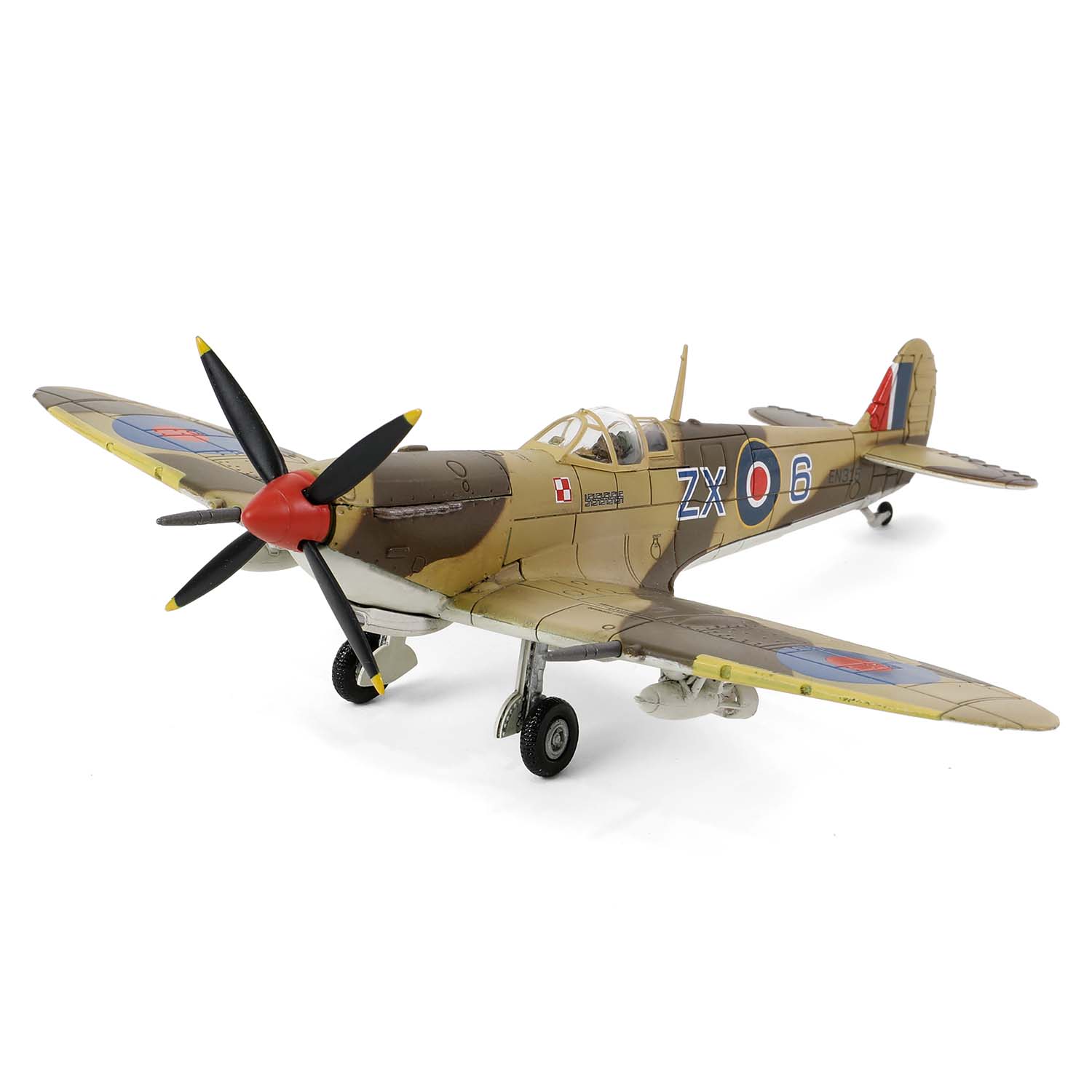
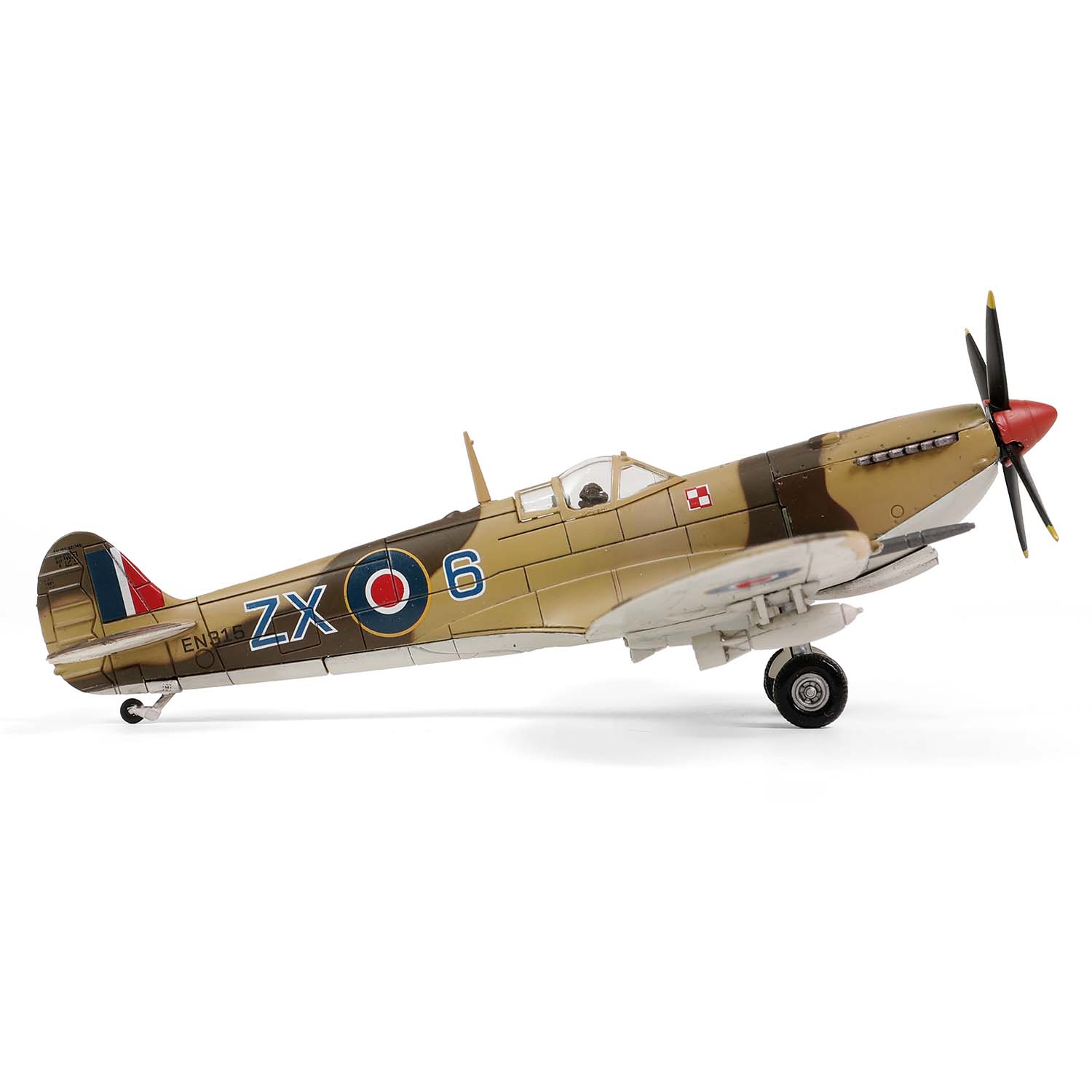
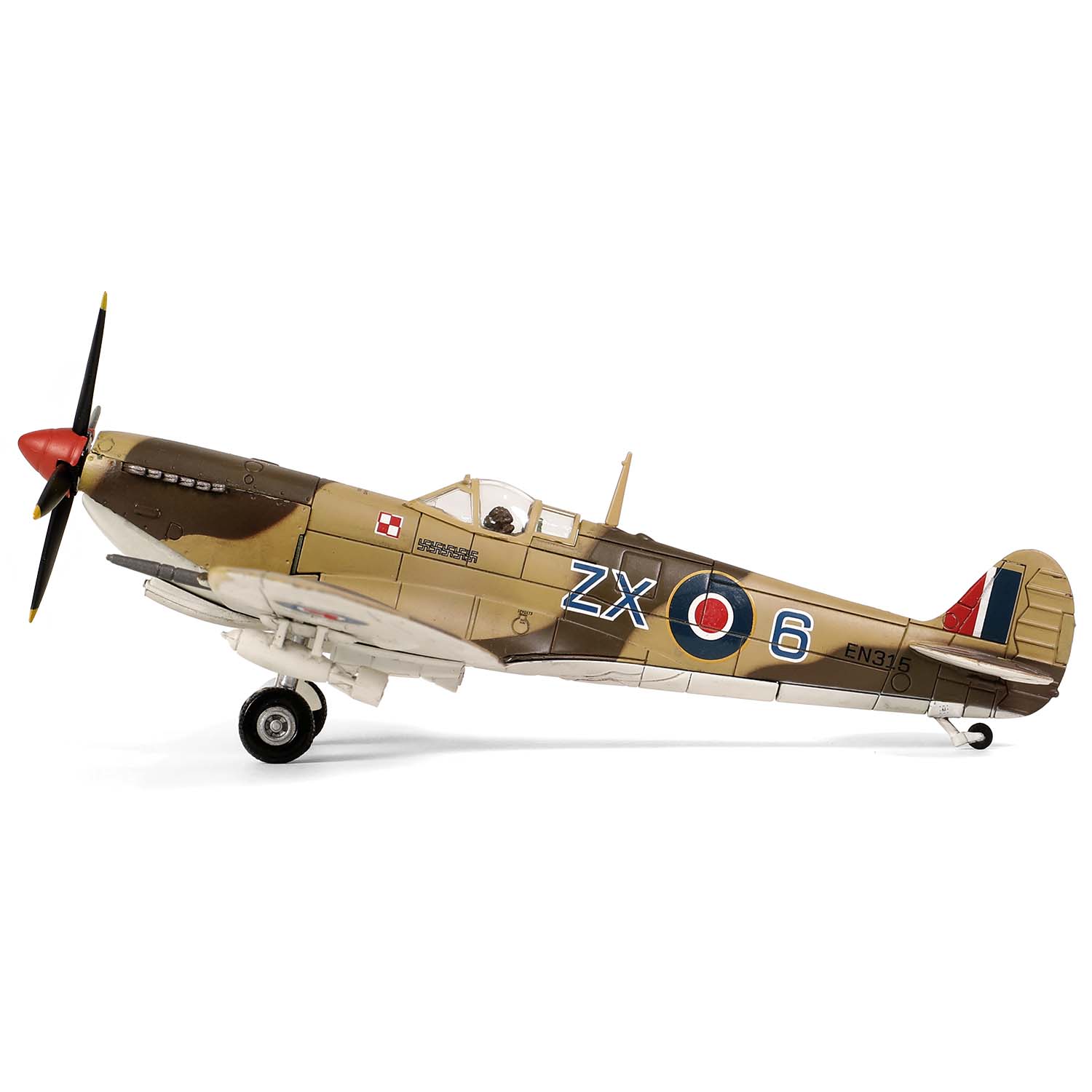
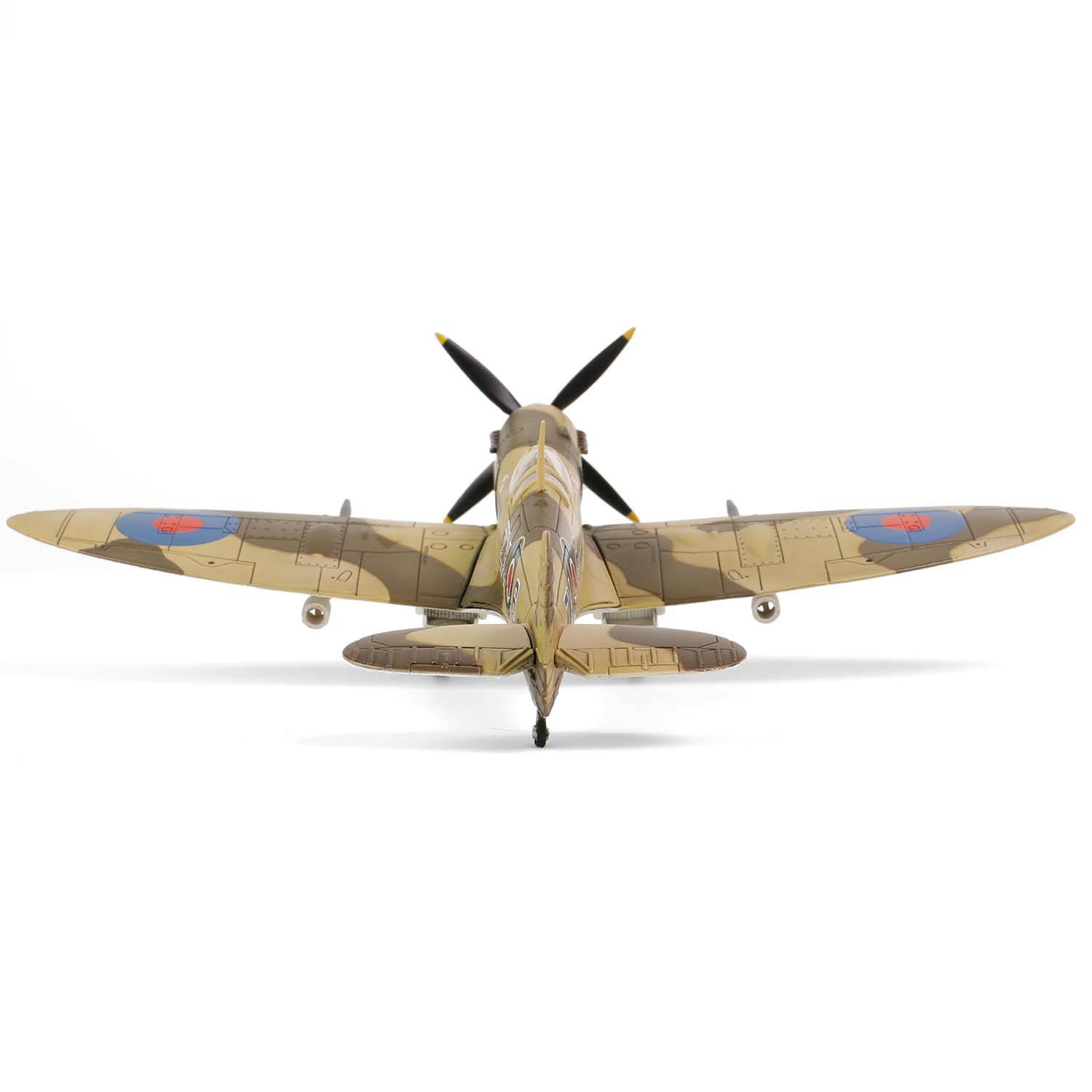
- Introduction & Background
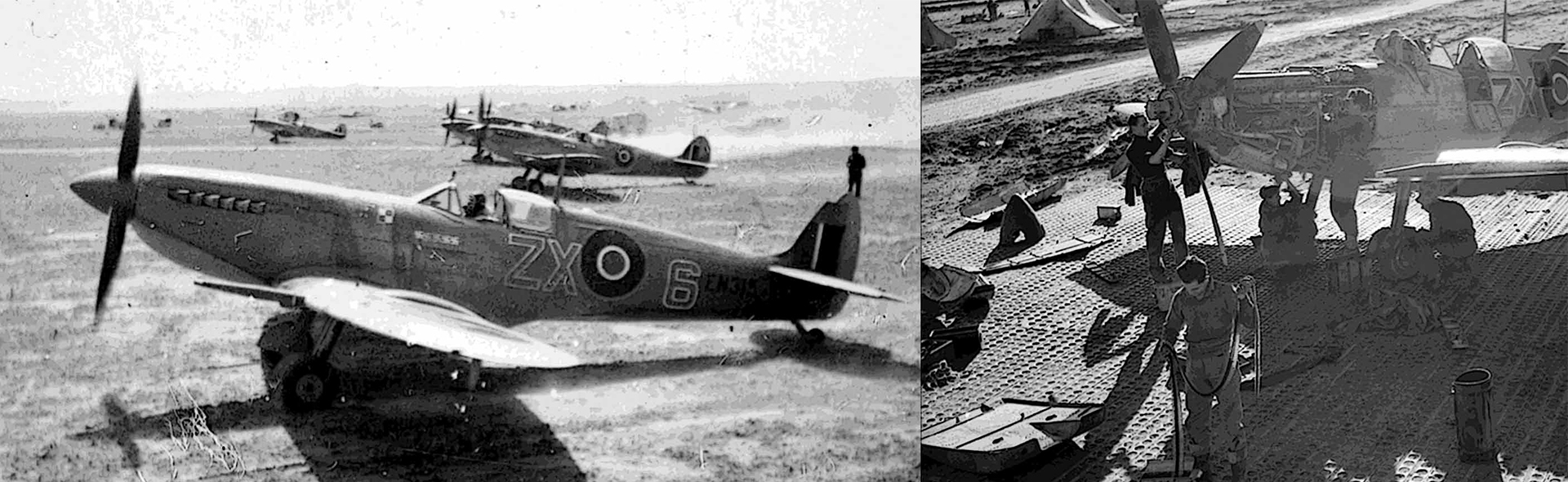
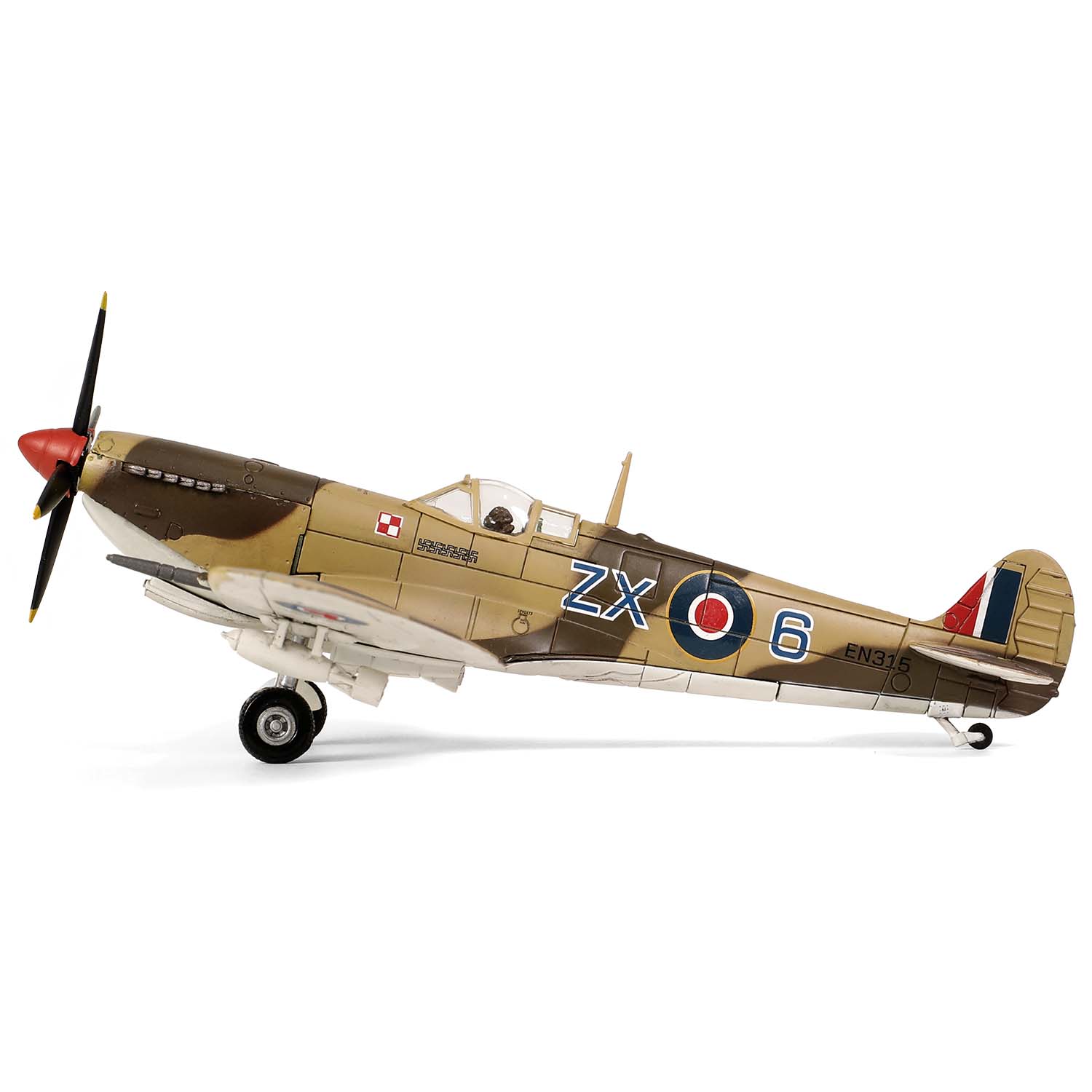
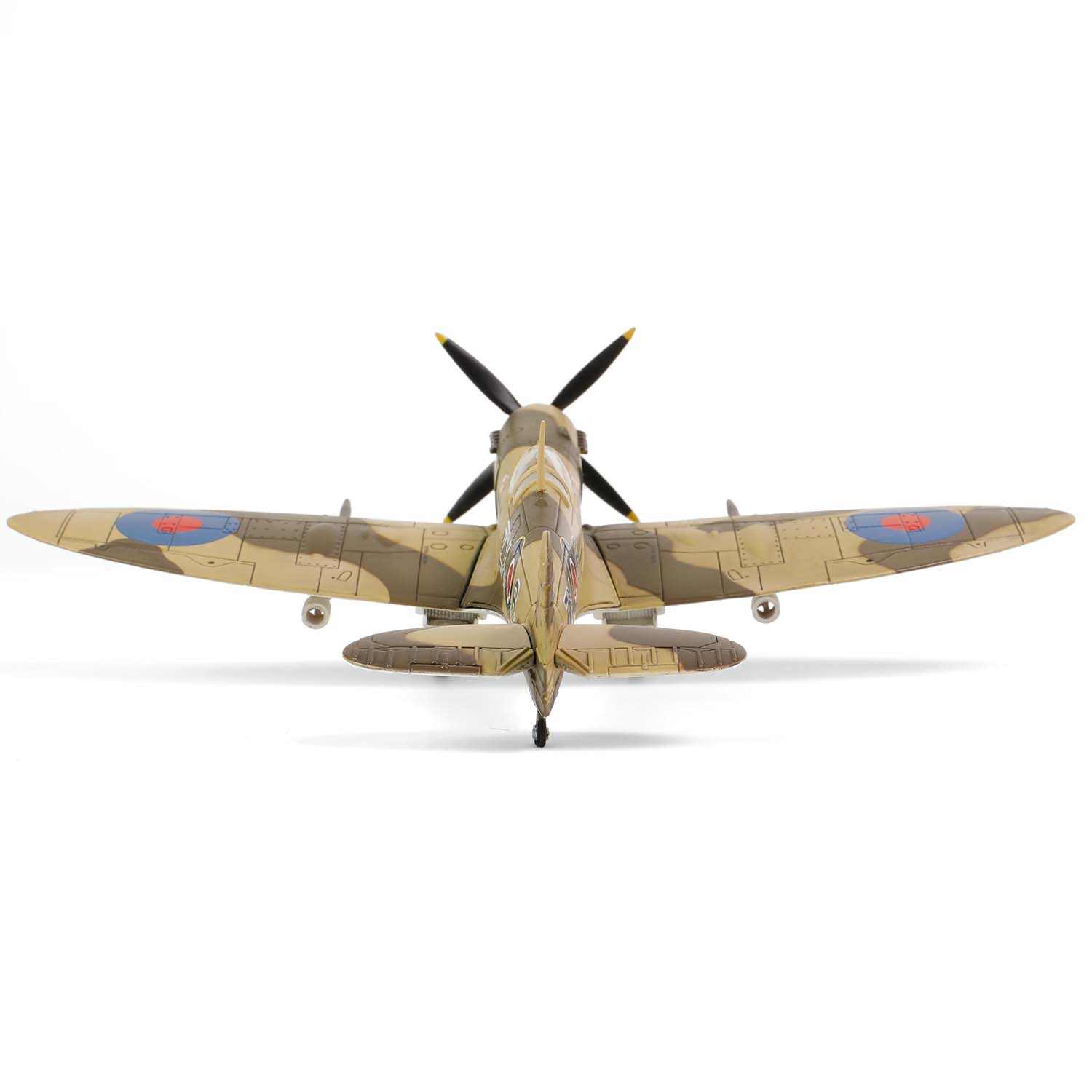
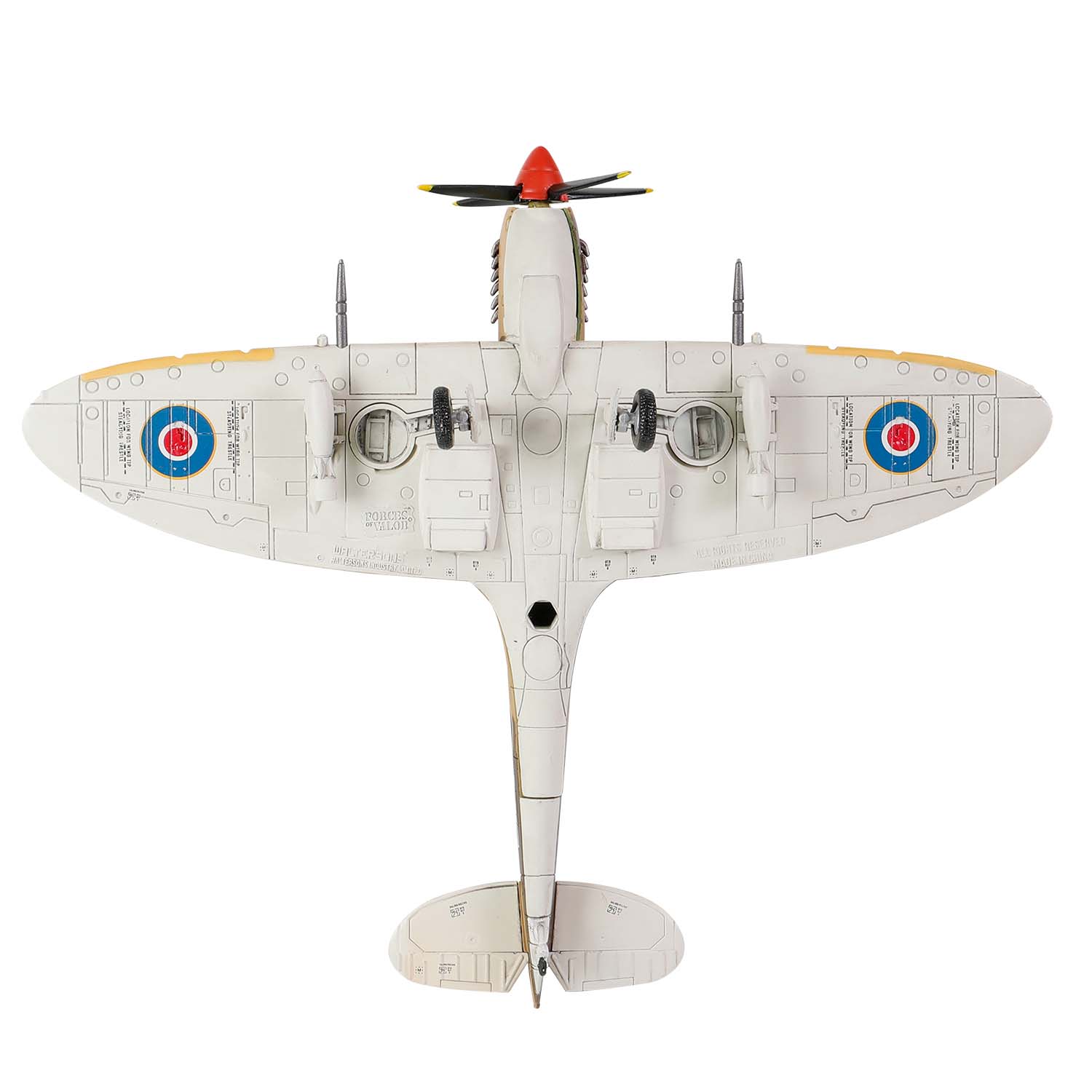
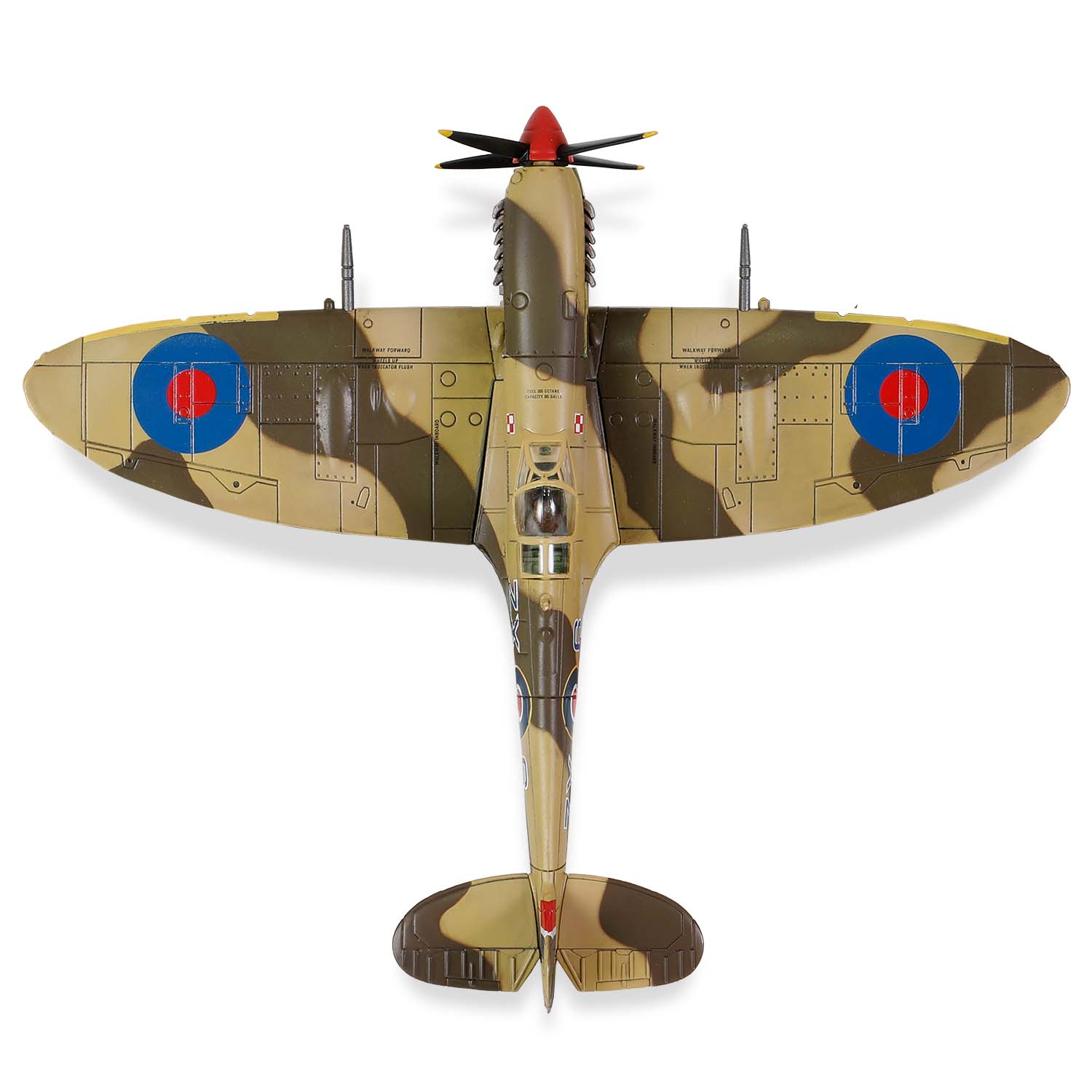
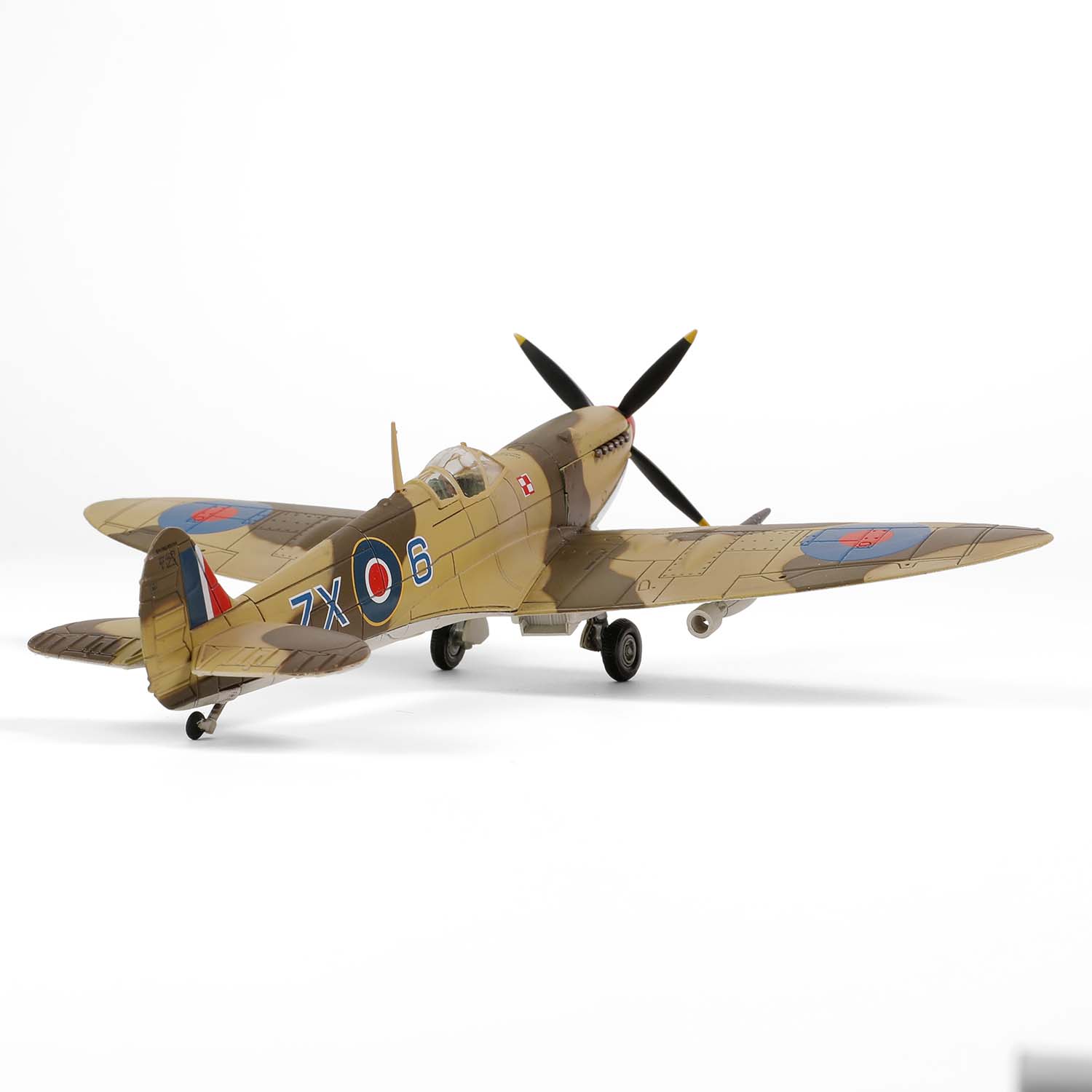
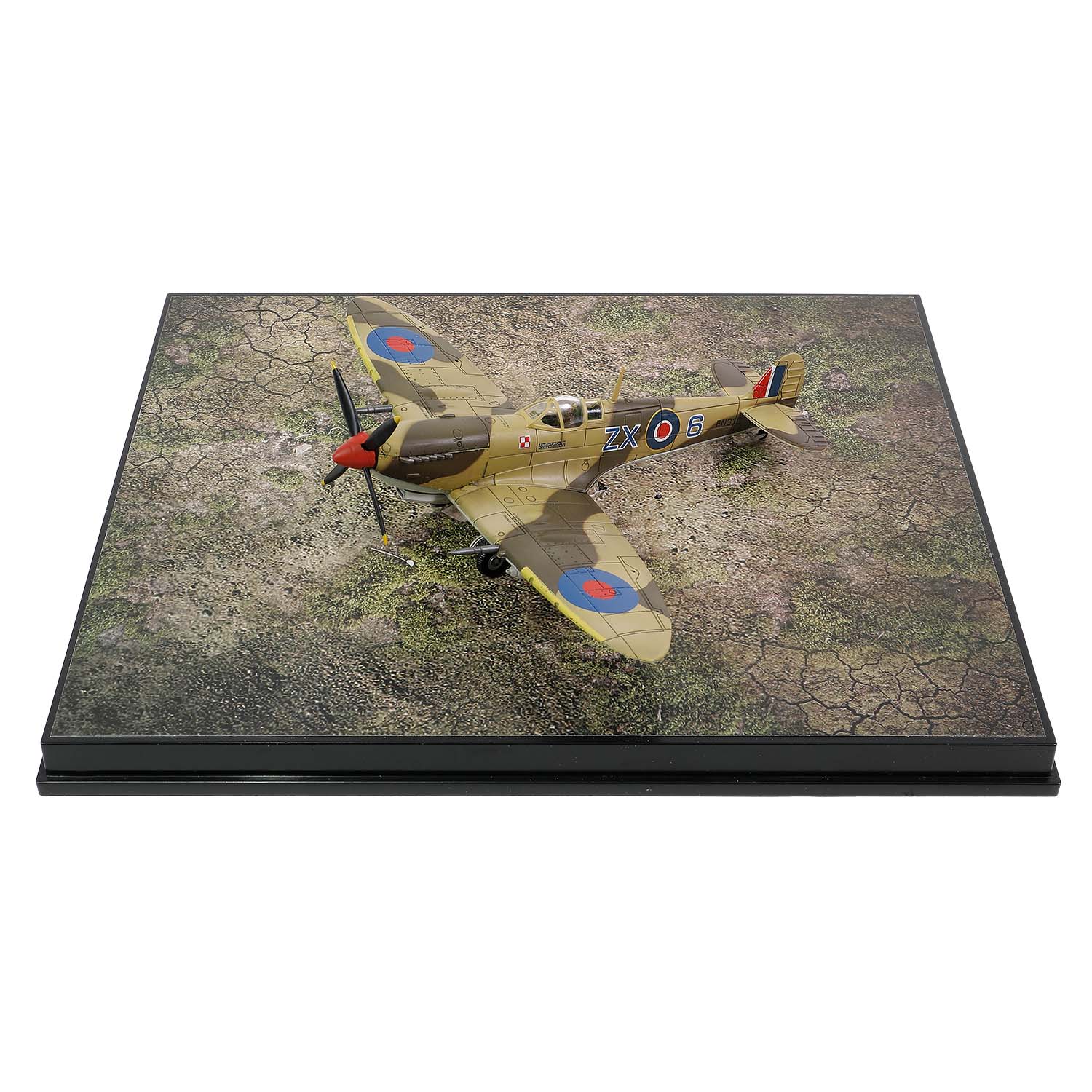
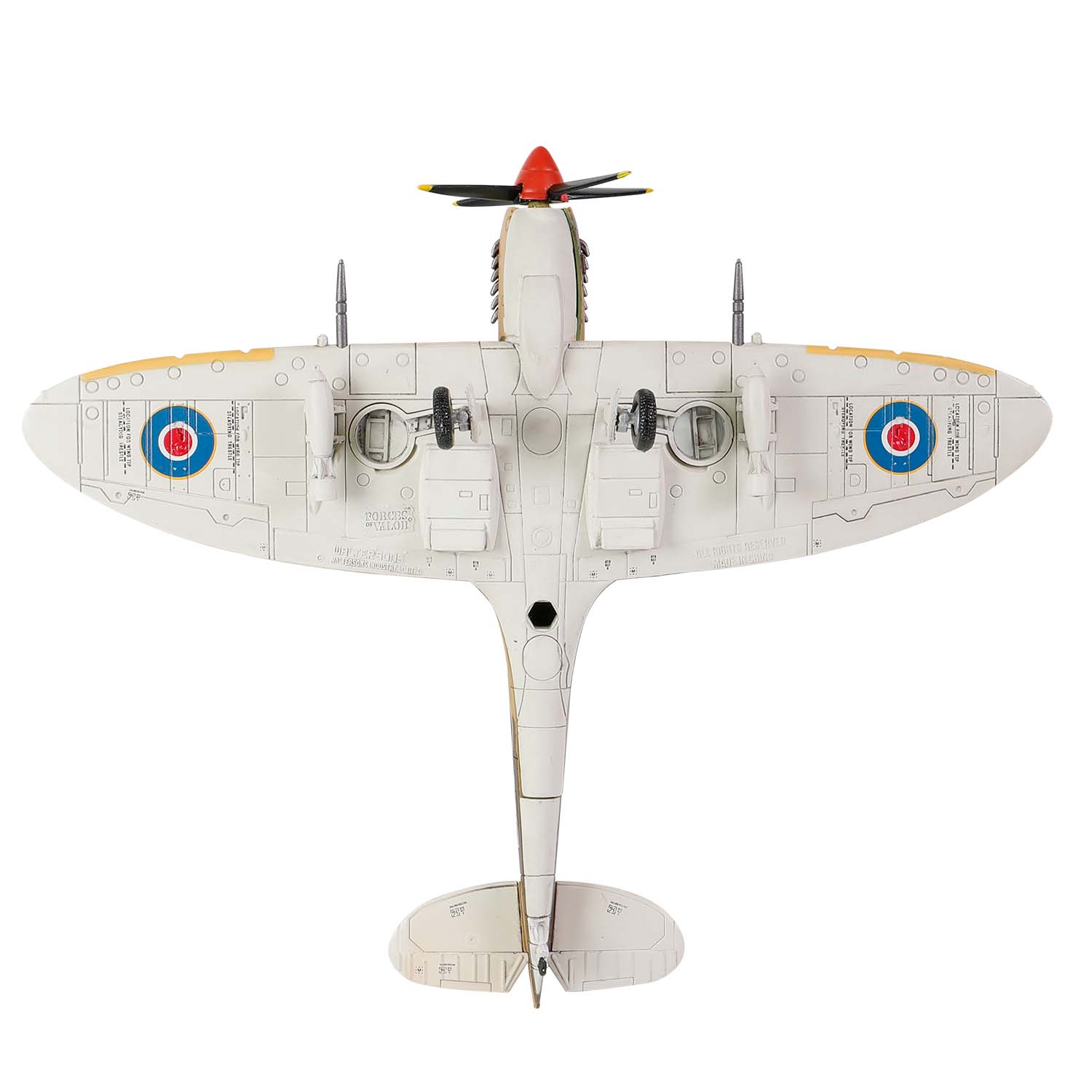
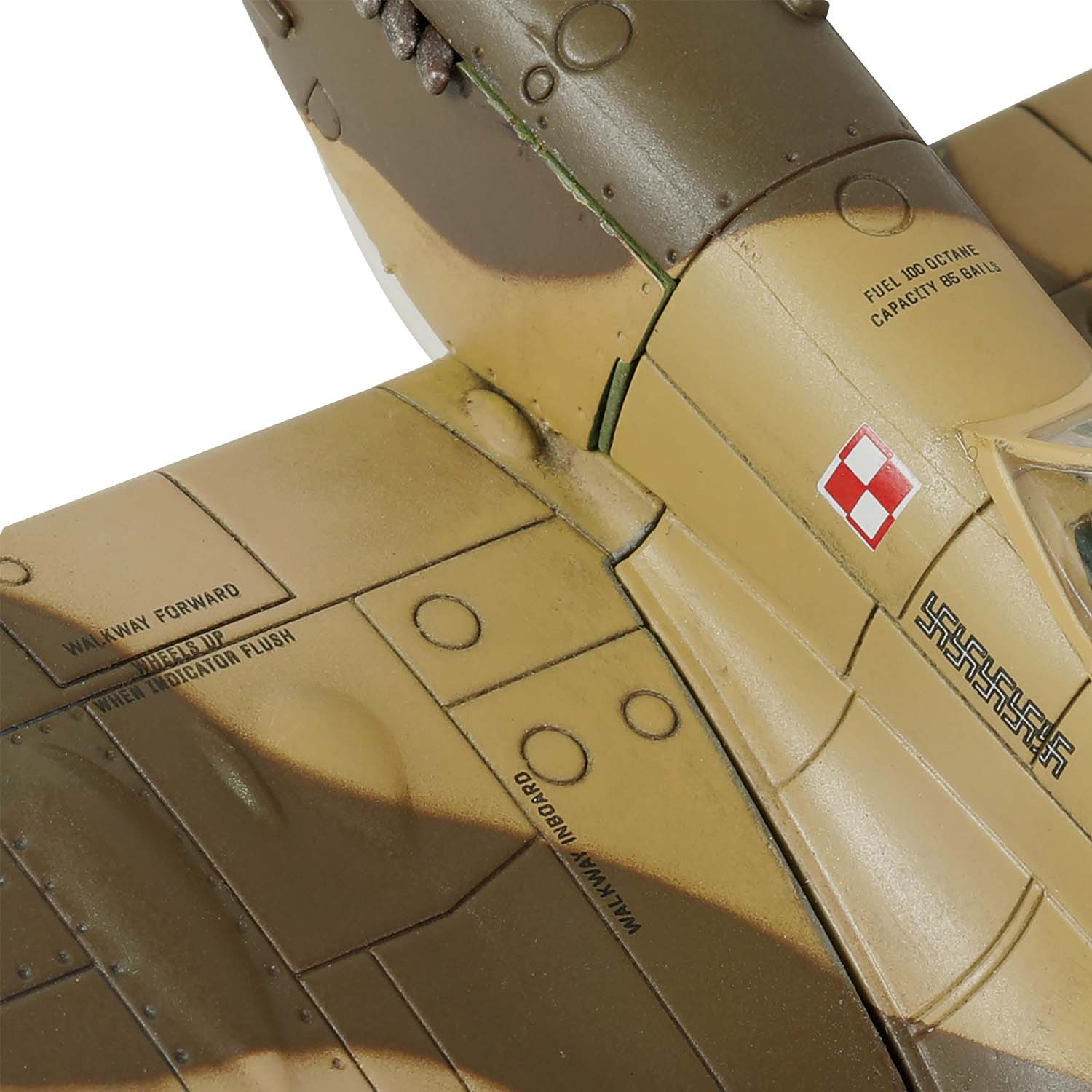
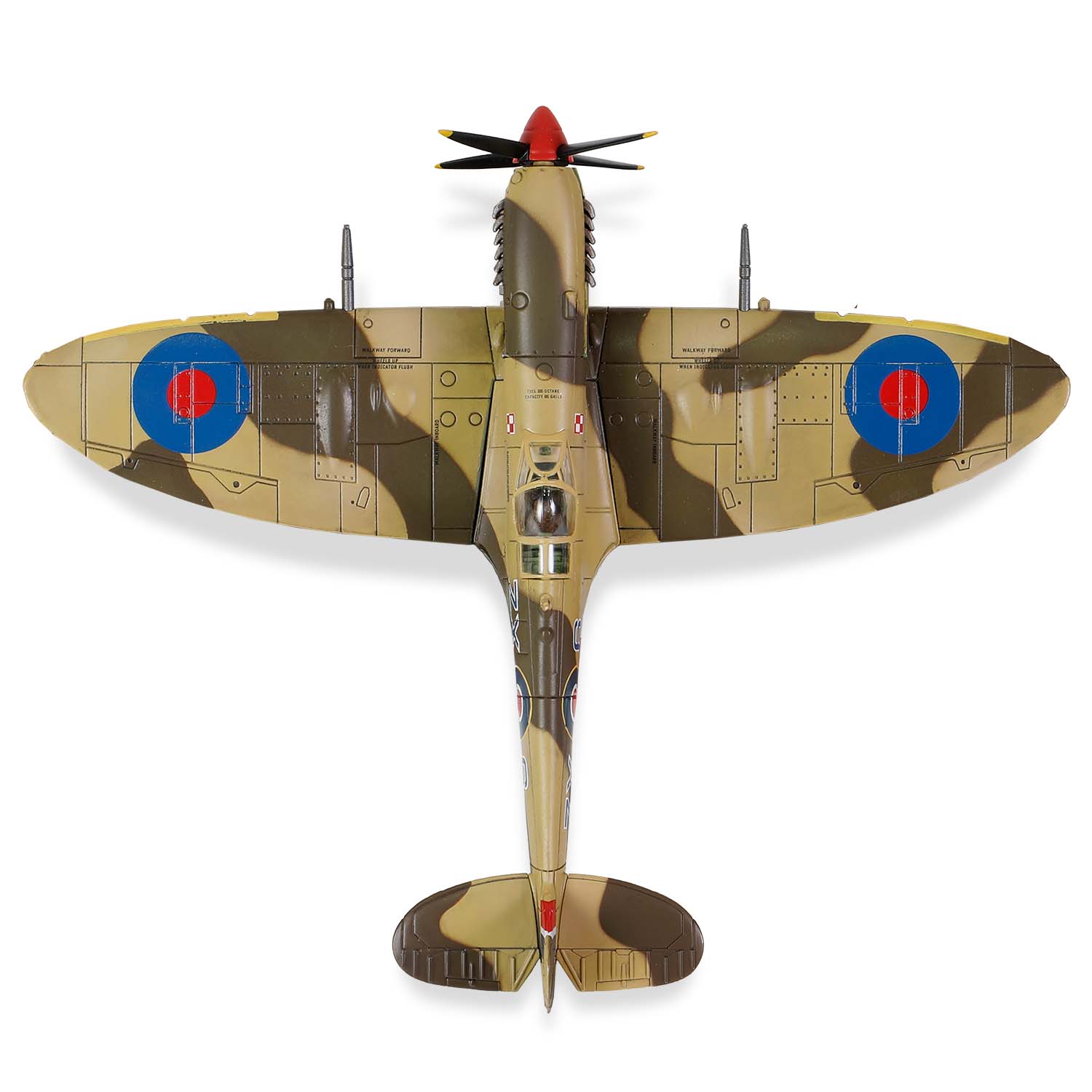
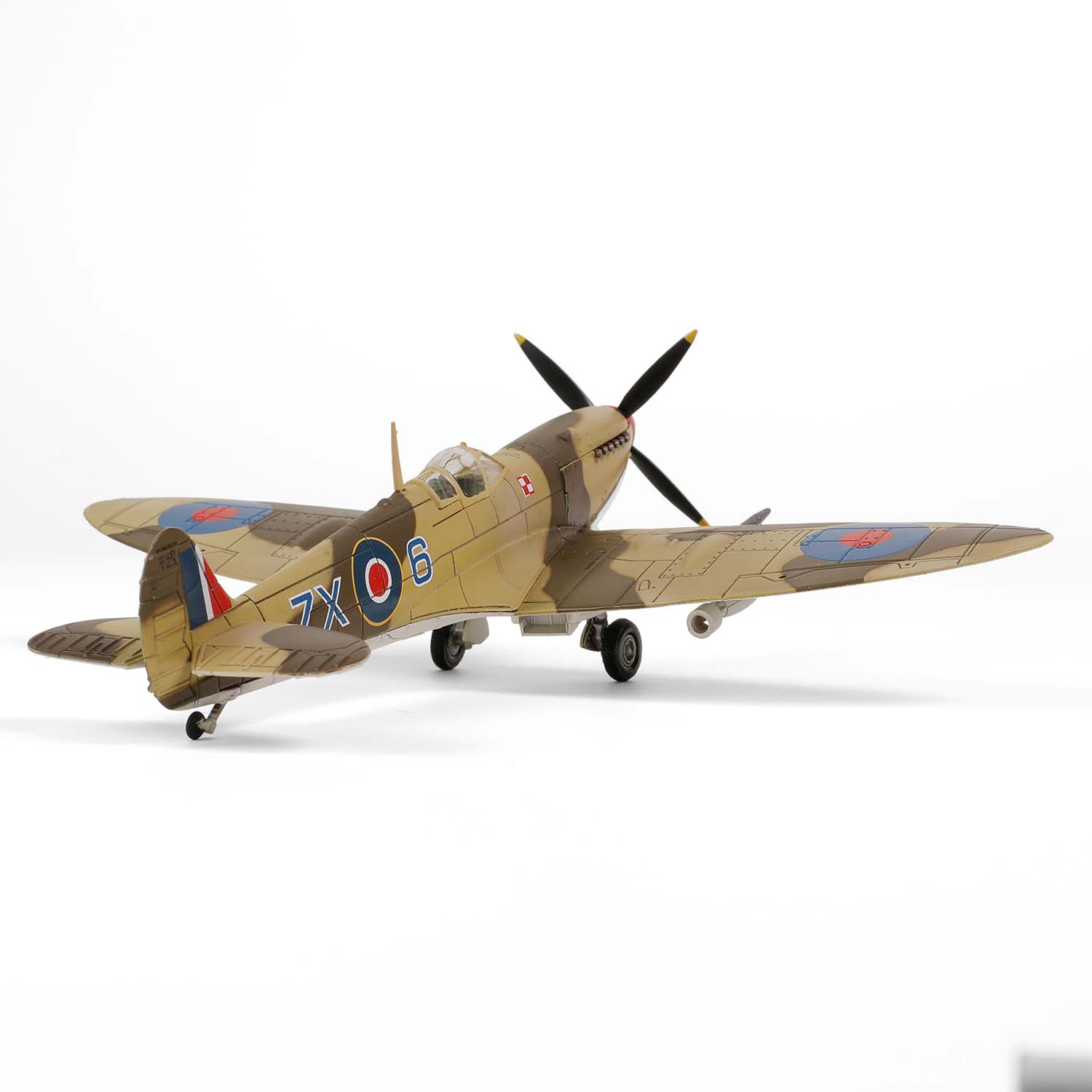
Let's first talk about why it is called the "Spitfire" fighter jet. Because at that time, in order to deal with the increasingly serious threat from the modern German Air Force, the British Air Ministry (AirMintry, the department responsible for managing the Royal Air Force affairs of the United Kingdom government from 1918 to 1964, merged with Fleet Command and the War Department in 1964 to form the Ministry of Defence, Translator) Note) A new type of interceptor is needed. At that time, the fastest interceptor aircraft of the Royal Air Force had a speed of about 350 kilometers per hour. In order to intercept the new aircraft being developed by Germany, the interceptor aircraft had to reach a speed of at least 480 kilometers per hour. This is where Spitfire was born.
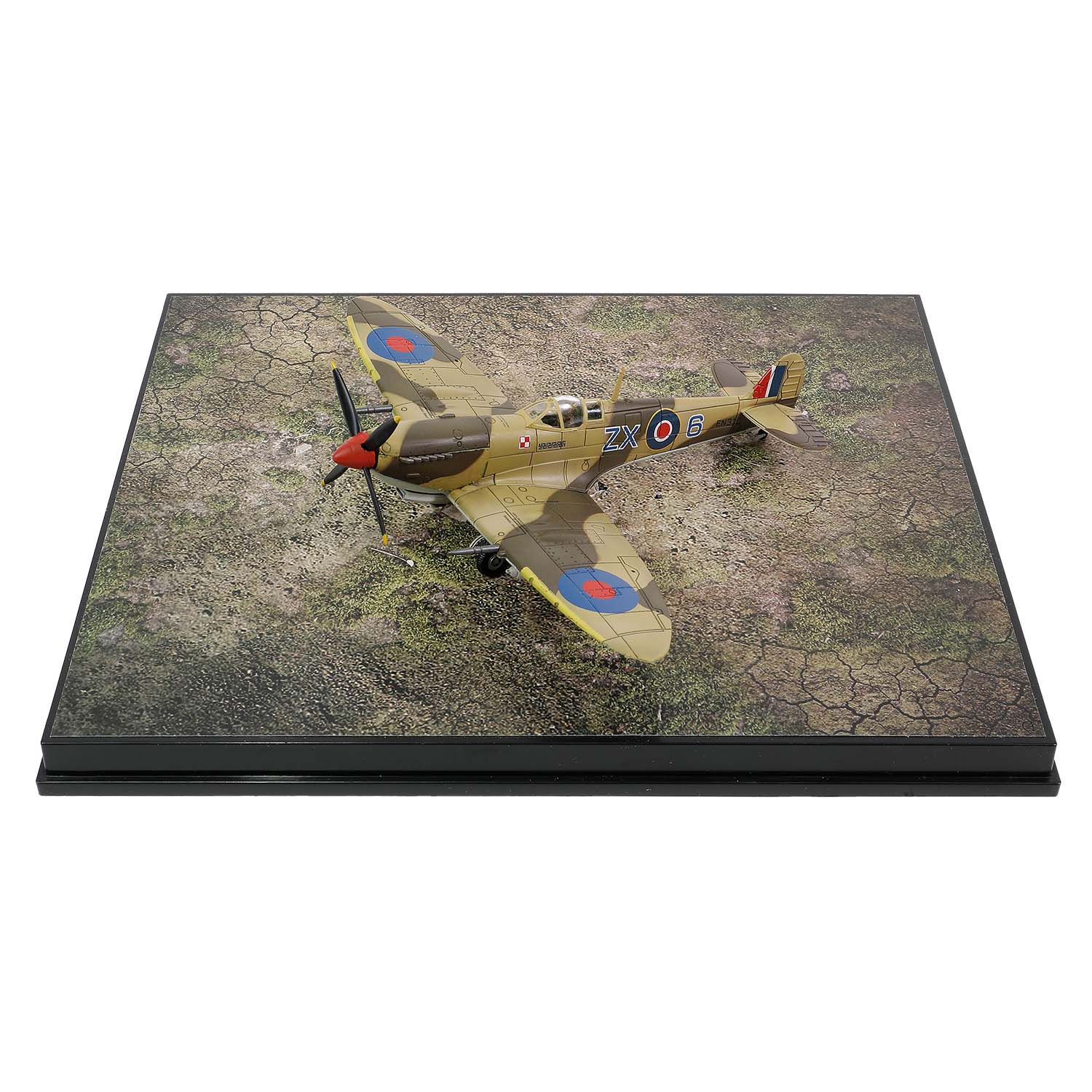
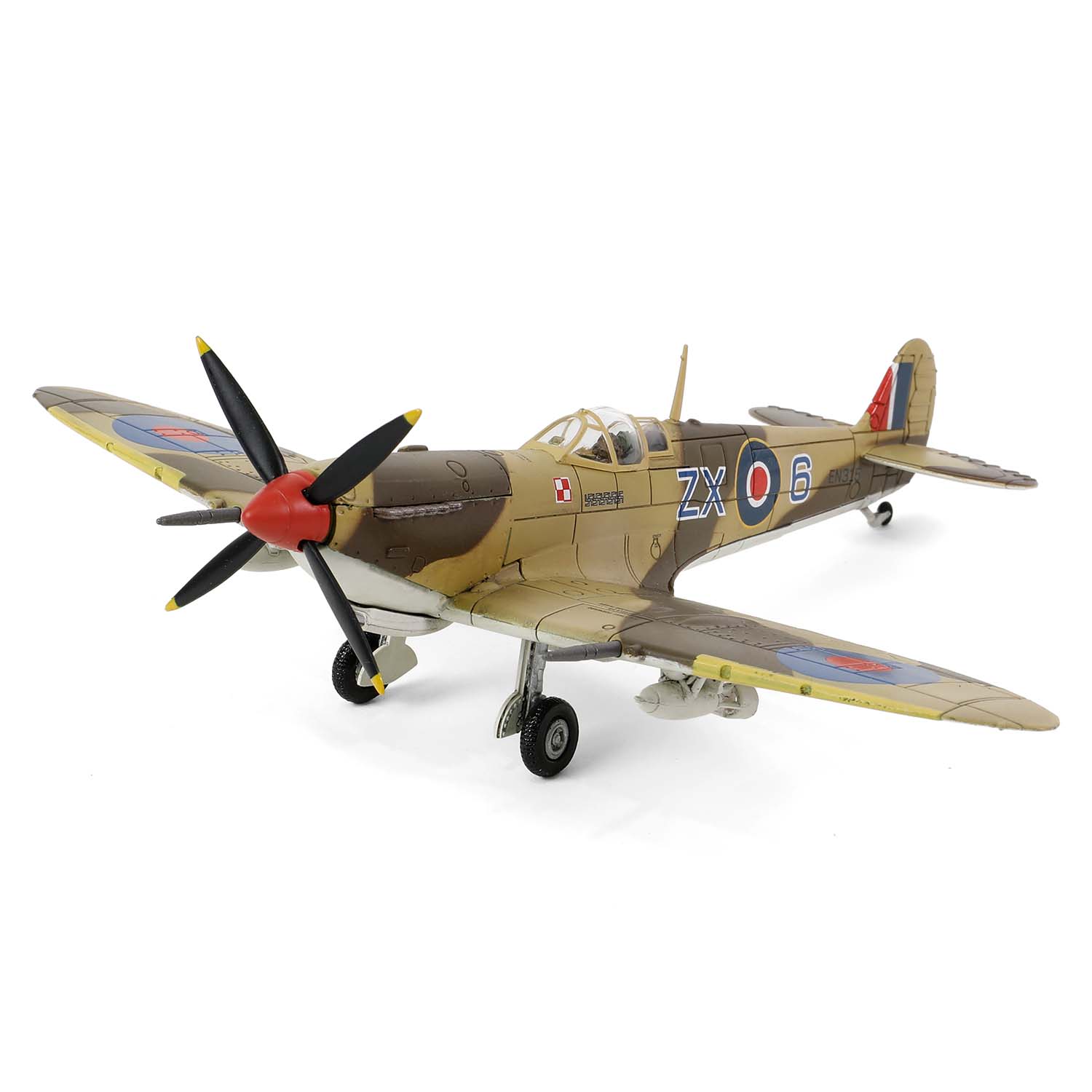
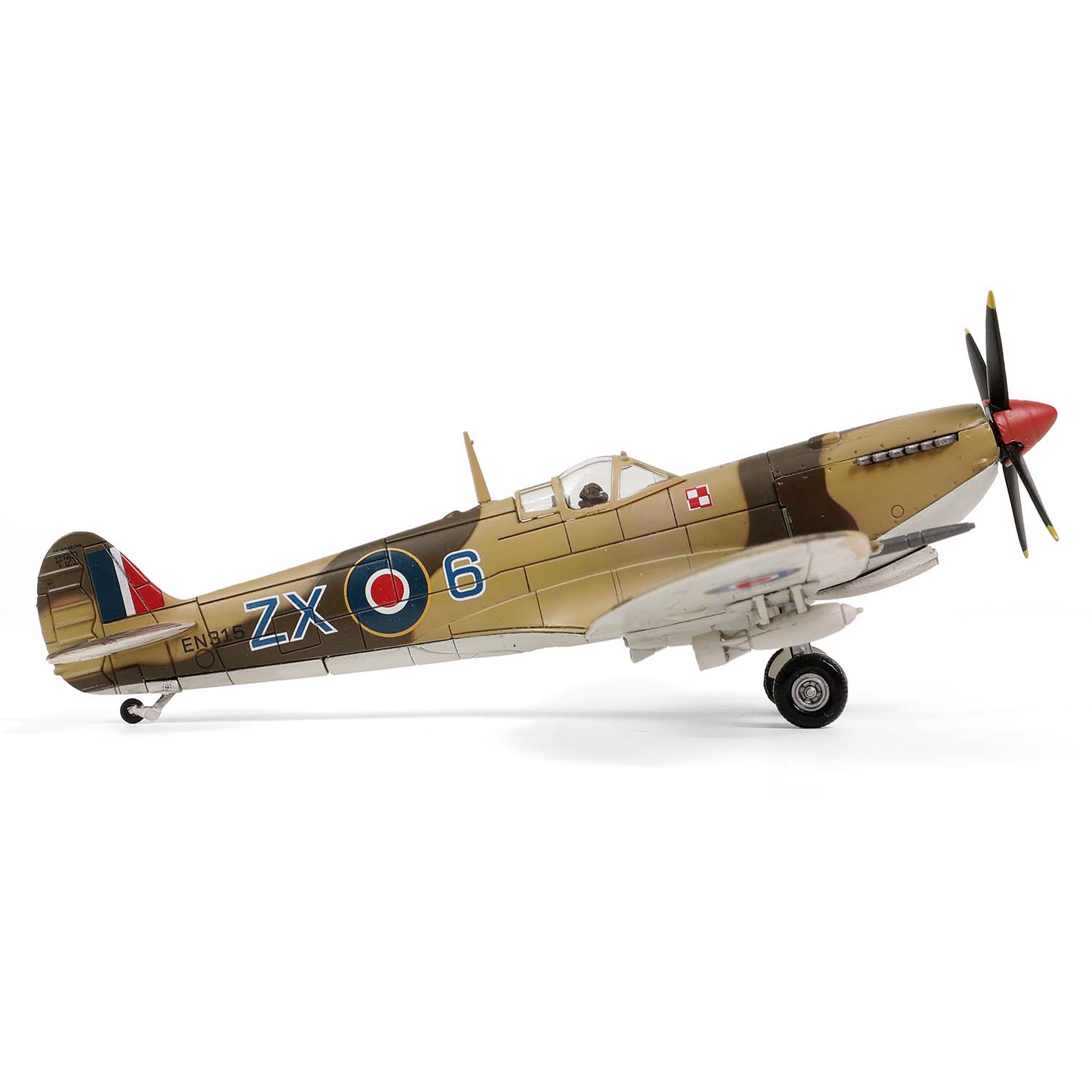
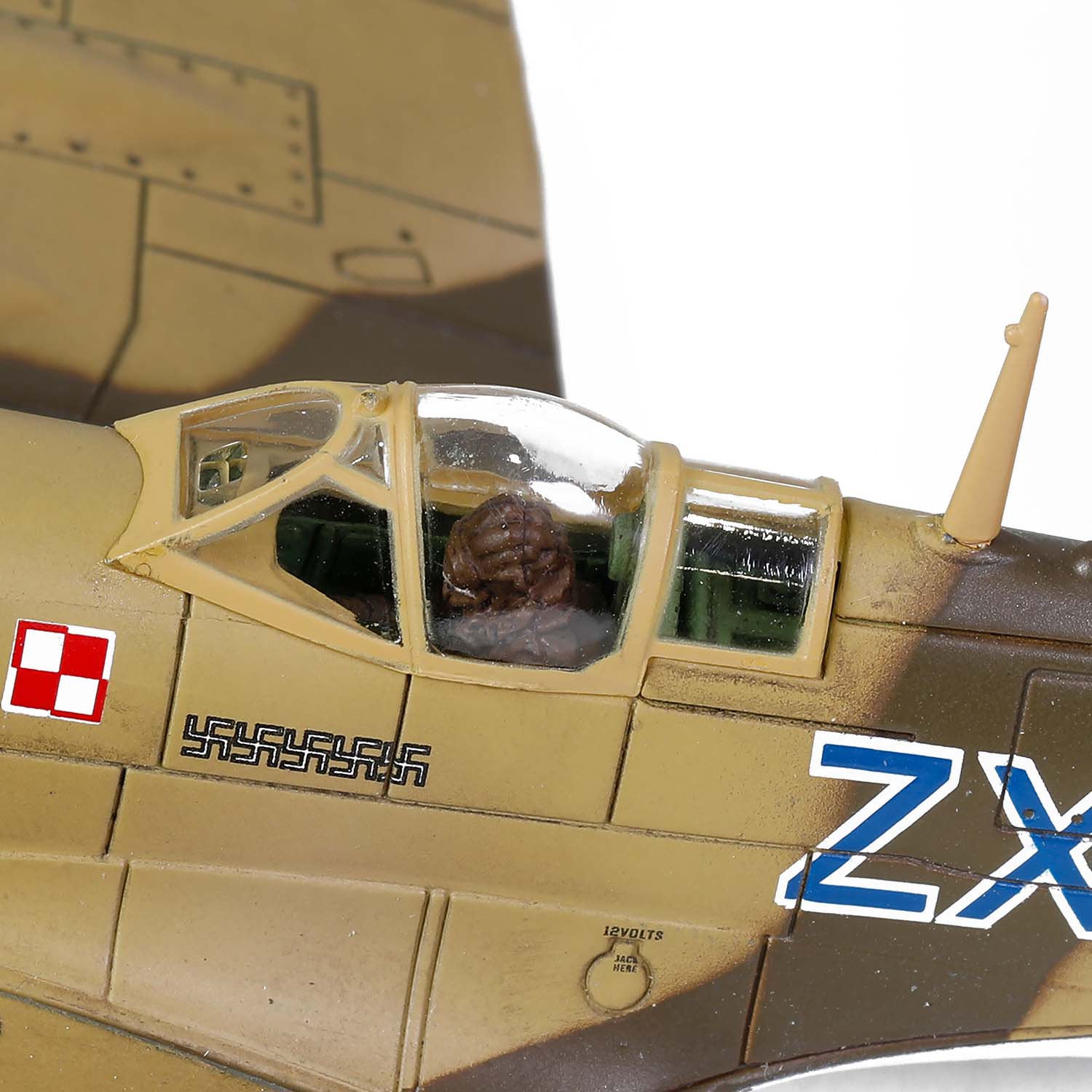
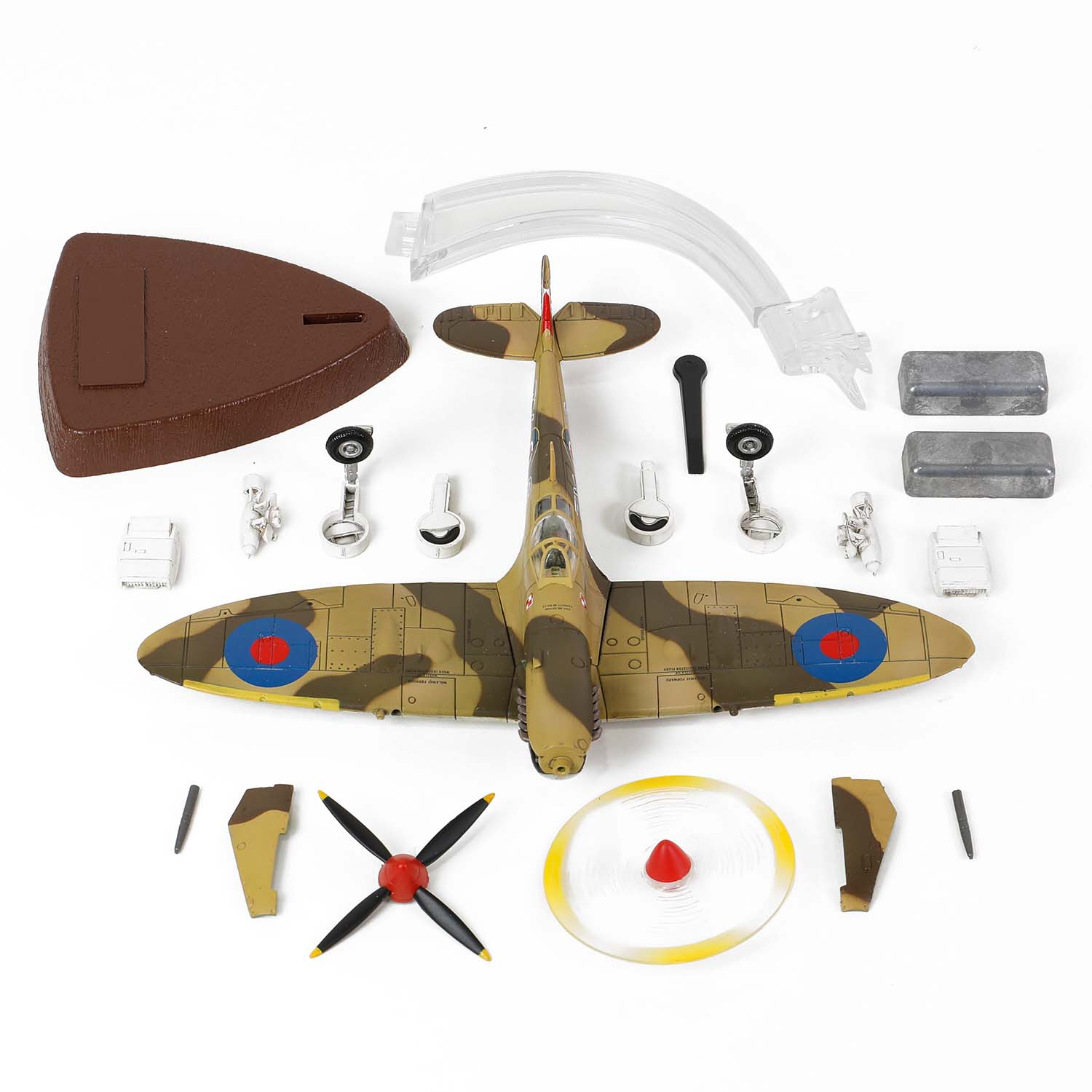
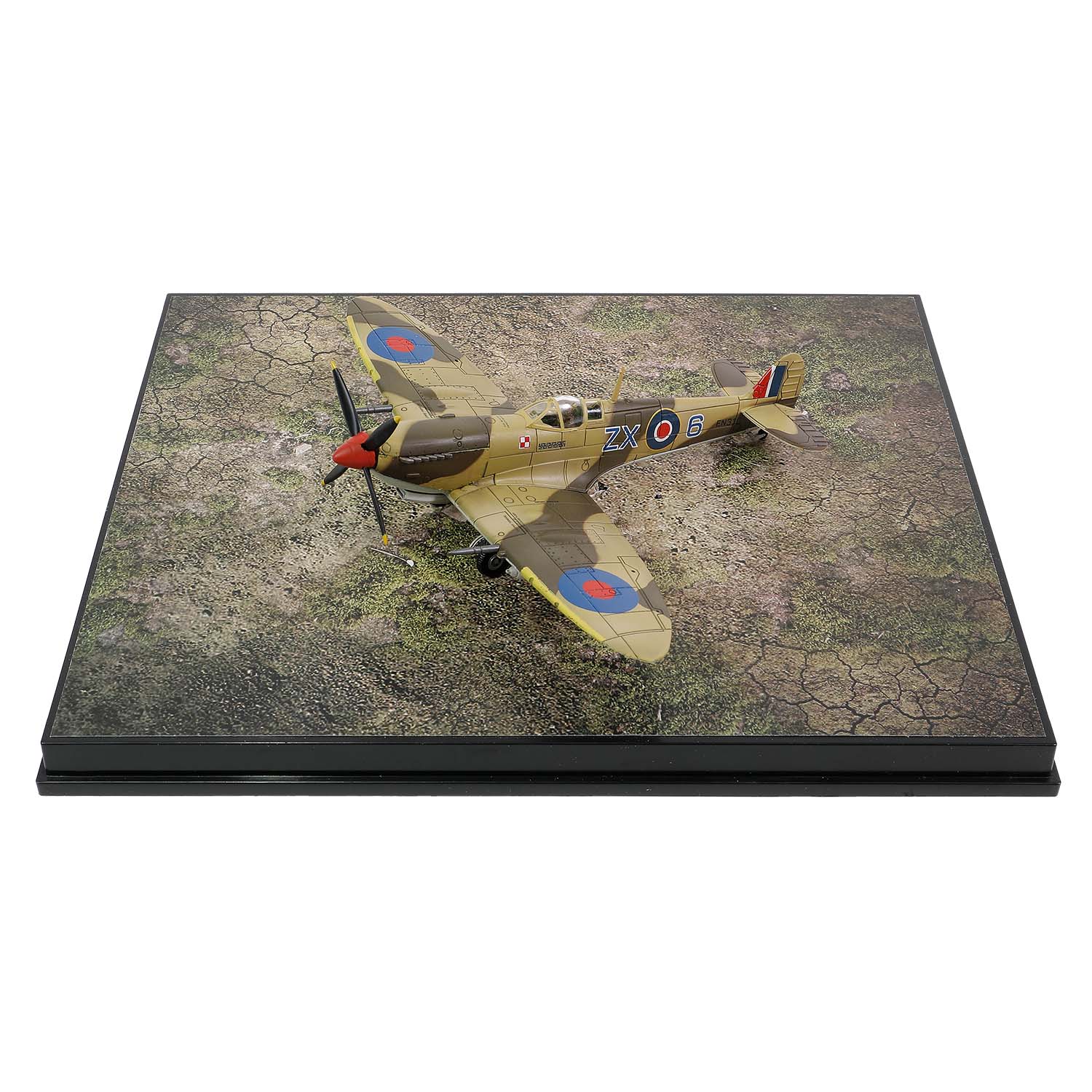
The Spitfire is a short-range, high-performance interceptor aircraft designed by RJ Mitchell, chief designer of the Supermarine Aeronautical Engineering Company. In 1934, he began designing the Spitfire prototype "Type 300" K5054. Mitchell's goal was To create a stable, high-performance fighter that could fully utilize the power of the newly developed Rolls-Royce PV-XII V-12 engine (later known as the Merlin engine), while being relatively easy to control. They introduced a number of innovations to the Type 300, including a metal fuselage and wings, retractable landing gear, an enclosed cockpit, oxygen masks, and thinner wings.